Understanding Southern New Hampshire Heating Repair Economics
When your furnace breaks down on a freezing January night, one of your immediate concerns is cost. Unfortunately, many HVAC websites either hide pricing behind sales scripts or publish generic national averages that have no bearing on southern New Hampshire realities.
Heating repair costs in the Nashua and Manchester metro area are governed by local trade labor markets, fuel types (natural gas, heating oil, or LP propane), equipment vintage, and whether service occurs during regular business hours or as an urgent midnight emergency.
At Puzzled Comfort HVAC, we believe in radical transparency. While every breakdown requires physical diagnosis before a firm quote can be written, this guide explains exactly what drives heating repair costs and how to evaluate whether a repair makes financial sense.
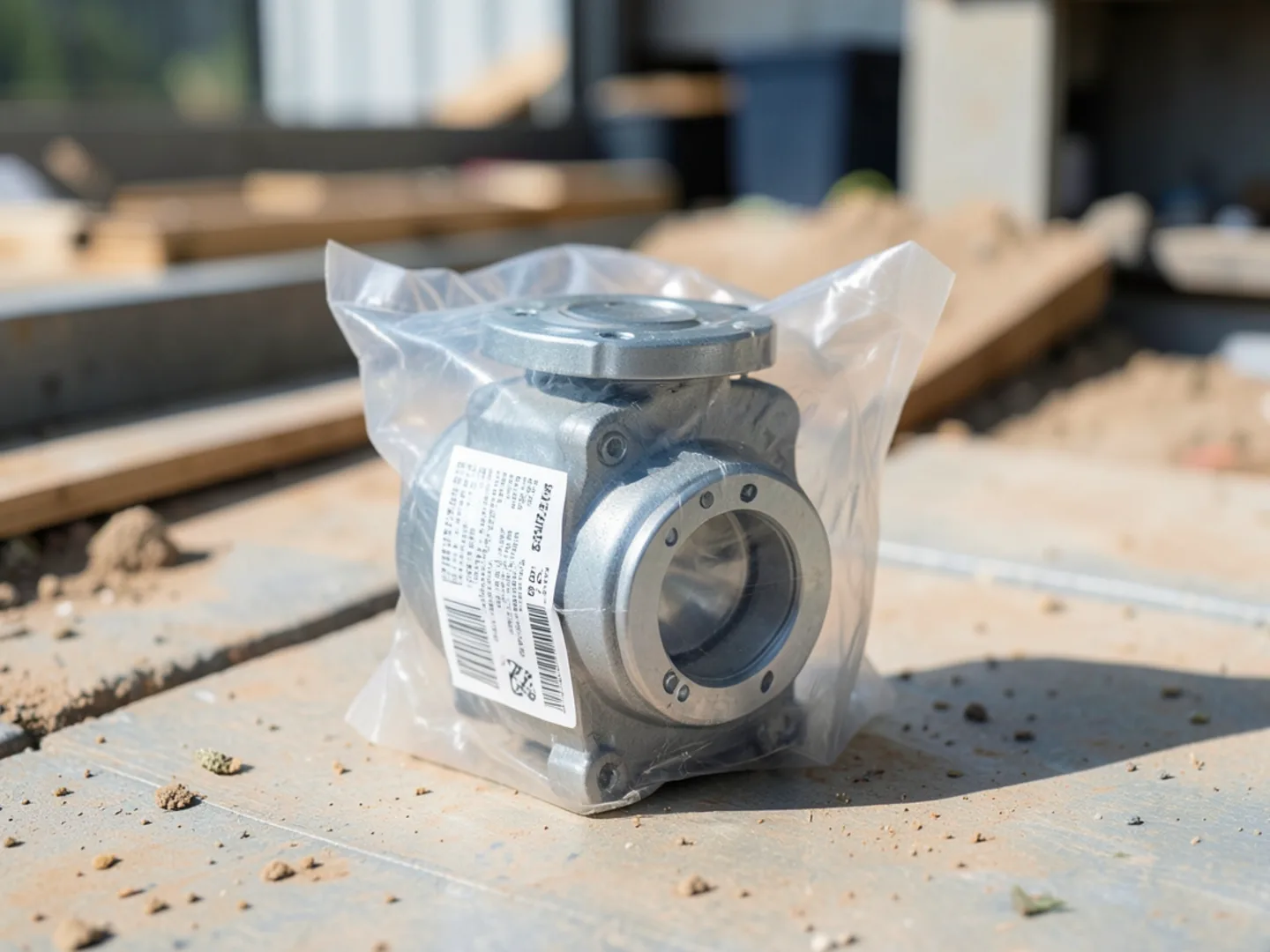
Furthermore, understanding warranty coverage is critical. Many systems installed within the last 5 to 10 years carry active manufacturer parts warranties that cover expensive components such as secondary heat exchangers, circuit boards, or blower motors. However, manufacturer warranties rarely cover technician diagnostic time or field labor. Our technicians always check equipment serial numbers to verify active warranty entitlements before invoicing.
Need In-Person Heating Diagnostics in Southern NH?
Our Merrimack technicians carry diagnostic equipment and replacement parts on every dispatch. Call to discuss your heating system.
- Fast 10–25 minute arrival across Merrimack, Nashua & Manchester
- Upfront diagnosis & written estimate before any work begins
- Full service for natural gas, fuel oil, and propane equipment
Merrimack Hub
454 Daniel Webster Hwy
Rapid Dispatch
10–25 Min Metro Arrival
Upfront Pricing
Clear Quotes Before Work
Multi-Fuel Pro
Gas, Oil & Propane Systems
The Anatomy of a Service Invoice: Diagnostic Fee vs Component Repair
Professional HVAC repair invoices are divided into two fundamental components: the initial diagnostic evaluation and the itemized repair cost.
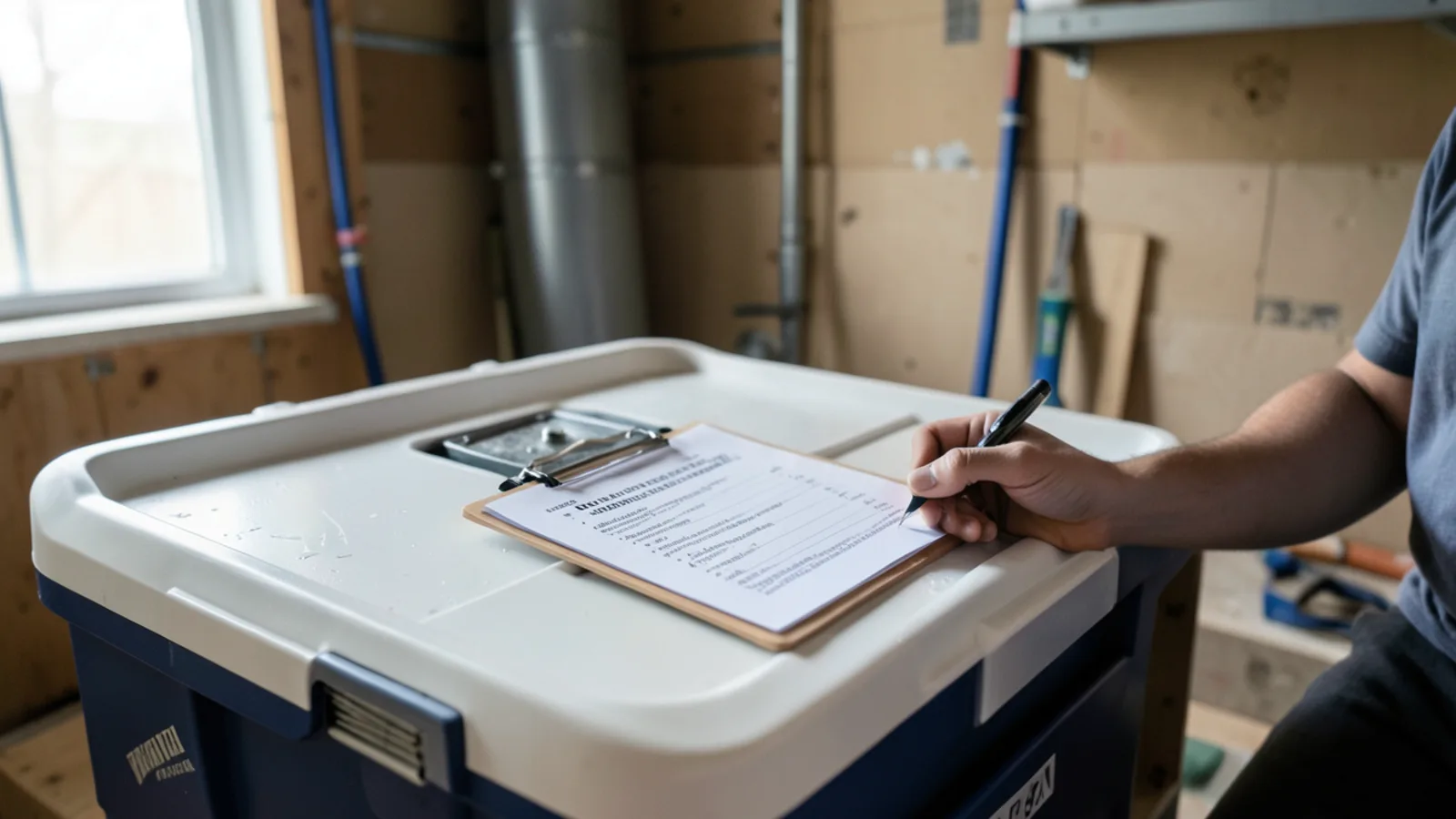
The diagnostic fee covers the technician's transit to your home, overhead, and comprehensive physical and electrical testing. A thorough diagnosis is not a quick visual glance; it involves testing electrical capacitors with multimeters, checking gas manifold pressure with digital manometers, verifying safety limit switch continuity, and inspecting heat exchangers with fiber-optic cameras.
Once the root failure is pinpointed, the technician presents an upfront written quote detailing parts and labor. You approve the exact cost in writing before any mechanical tools touch your equipment.
Secondary physical site conditions also influence labor time. For example, systems located in cramped low-clearance crawlspaces, pull-down attic stairwells, or behind finished basement drywall require extra staging time and protective drop cloths compared to accessible mechanical rooms.
Cost Categories by Mechanical Component Complexity
Heating system components fall into three distinct replacement tiers based on part complexity and labor intensity:
Tier 1: Minor Electrical & Safety Components
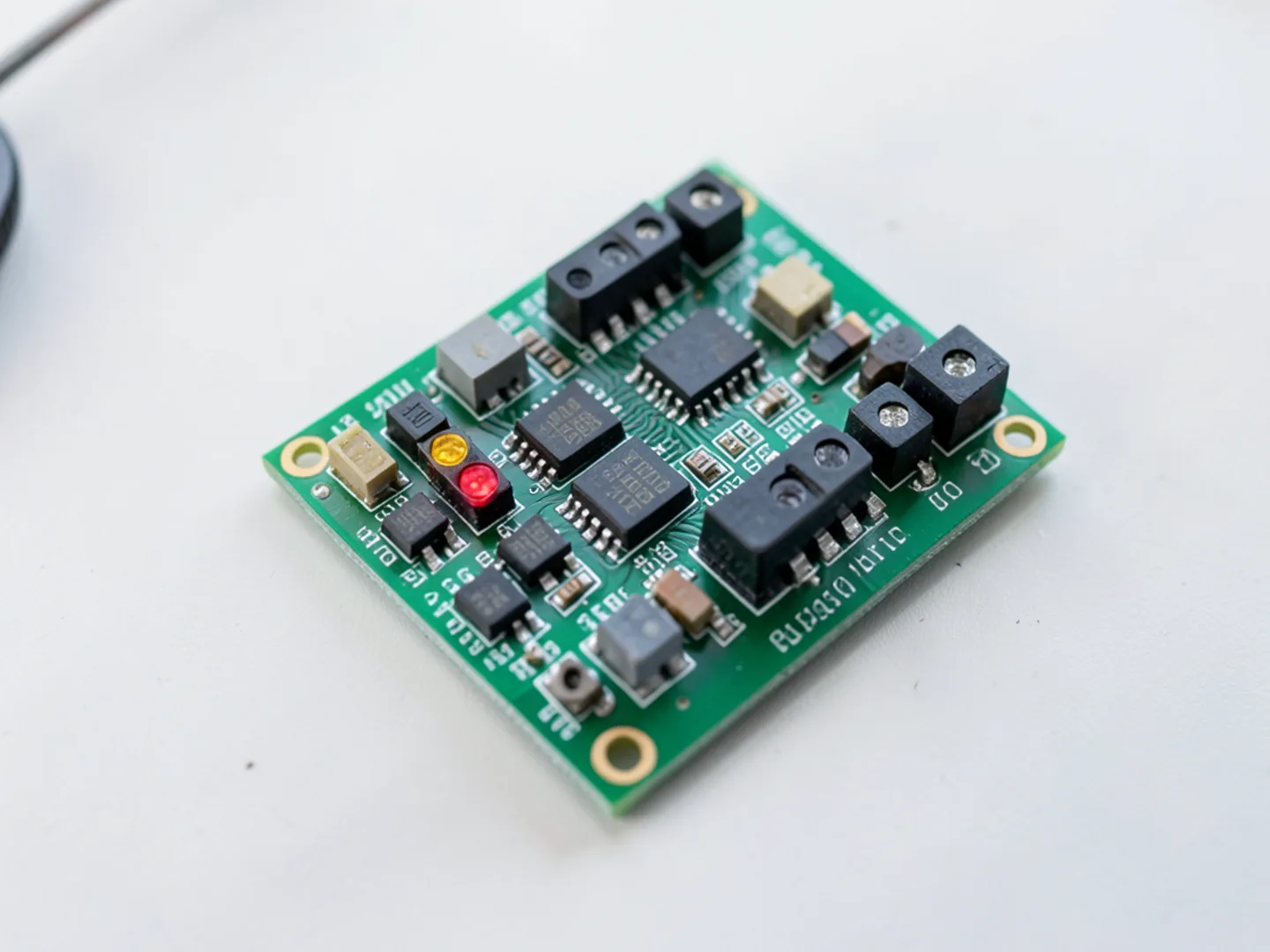
These repairs involve rapid component swaps typically resolved in under an hour from truck stock. Examples include flame sensors, hot surface igniters (silicon carbide or silicon nitride), 24-volt control transformers, blower door switches, and dual-run capacitors. These represent modest investments that restore reliable heating quickly.
Tier 2: Major Electro-Mechanical Assemblies
These components require mechanical disassembly, gasket replacements, or precision gas/electrical calibration. Examples include draft inducer blower assemblies, electronic ignition integrated circuit boards, electronic gas control valves, oil burner fuel pumps, and standard PSC or ECM blower fan motors. These repairs require skilled calibration to ensure safe combustion draft.
Tier 3: Structural & Catastrophic Heat Exchanger Failures
The most expensive heating repair involves replacing a cracked primary or secondary heat exchanger on a furnace, or replacing a fractured cast-iron boiler block. Because heat exchanger replacement requires completely disassembling the furnace cabinet (often 4 to 8 hours of intensive labor), the combined cost of parts and labor frequently approaches 50% to 70% of a brand-new high-efficiency replacement system.
How Fuel Type & System Vintage Drive Repair Pricing
Your heating fuel type significantly impacts replacement component costs and maintenance frequency:
Natural Gas Systems: Natural gas furnaces in Nashua, Manchester, and Hudson benefit from widely standardized components. Universal igniters, gas valves, and control boards are readily available and feature high interchangeability.
Oil-Fired Systems: Oil furnaces and boilers prevalent in Amherst, Hollis, and Litchfield require specialized fuel oil handling. Oil burners involve mechanical oil pumps, sintered bronze or felt oil filters, high-voltage ignition transformers (10,000V), and precision brass atomizing nozzles that require annual replacement and digital flue-gas combustion analysis.
LP Propane Equipment: Propane systems in rural Bedford operate at higher manifold pressures (11 inches of water column) than natural gas (3.5 inches). Propane burns hotter and requires dedicated conversion orifices and specialized low-pressure gas detectors during servicing.
| Repair Category | Typical Mechanical Parts Replaced | Average Life Expectancy | Labor Complexity |
|---|---|---|---|
| Flame Sensor / Igniter | Silicon nitride igniter, flame rod | 3 to 7 years | Low (30–60 min truck repair) |
| Control Circuitry | 24V transformer, integrated PCB board | 10 to 15 years | Moderate (electrical testing) |
| Blower & Draft Motors | Inducer assembly, ECM blower motor | 8 to 12 years | Moderate to High (wheel balancing) |
| Combustion Controls | Electronic combination gas valve | 12 to 18 years | High (manometer pressure tuning) |
| Heat Exchanger | Primary cell or secondary stainless coil | 15 to 20 years | Extreme (complete cabinet tear-down) |
Expert Insight: Secondary Heat Exchanger Clogging & Acidic Condensate Corrosion
One of the costliest and most frequently misdiagnosed heating failures in southern New Hampshire condensing furnaces involves the secondary heat exchanger coil. Unlike older 80% AFUE furnaces that exhaust hot flue gases directly through a masonry or metal chimney at 350°F to 450°F, modern 90%+ condensing furnaces squeeze extra heat out of exhaust gases until water vapor condenses into liquid.
This condensate liquid is not pure water; it is mildly acidic (pH 3.0 to 5.0), containing dissolved carbonic, nitric, and sulfurous acids. In well-maintained systems, this liquid drains harmlessly through internal vinyl tubing and a neutralization trap. However, if annual maintenance is neglected, microbial growth, dirt, and chemical scale choke the narrow secondary coil fins or clog the internal plastic collector box.
When the secondary coil restricts, acidic water pools against the heat exchanger metal. Lower-grade aluminized steel coils corrode rapidly, developing pinhole perforations that leak carbon monoxide into the airstream or trip the combustion differential pressure switch. Professional technicians use digital dual-port manometers to measure total external static pressure (TESP) and pressure drops across the secondary coil. When pressure drop exceeds manufacturer tolerances (typically >0.25 to 0.40 inches of water column), cleaning the secondary with specialized chemical flushes is occasionally possible, but severe acid etching mandates either complete coil replacement or whole-system modernization.
Manchester & Nashua Municipal Permit Fees, Gas Line Testing, & Code Compliance
When budgeting for heating repairs or component replacements in Hillsborough County, homeowners must account for municipal compliance. Both the City of Manchester Building Department and the City of Nashua Building Safety Department enforce strict mechanical codes under NFPA 54 (National Fuel Gas Code), NFPA 31 (Standard for the Installation of Oil-Burning Equipment), and the International Mechanical Code (IMC).
While minor component replacements like flame rods, thermocouples, or blower capacitors do not require city filing, any repair involving gas line extensions, gas valve replacements, flue vent re-routing, or whole-furnace swap-outs requires pulling an official mechanical and gas permit by a licensed gas fitter. Permit fees in Nashua and Manchester typically range between $50 and $150 depending on job valuation.
Crucially, city mechanical inspectors require a certified pressure test on any altered gas piping—holding 10 to 15 PSI of air pressure on a calibrated diaphragm test gauge for a minimum of 10 to 15 minutes without measurable pressure decay before the gas utility (such as Liberty Utilities) will re-establish service. Cutting corners with unlicensed trunk-slammers risks severe safety hazards, code violation stop-work orders, and voided homeowner insurance coverage in the event of an unnoticed gas leak or combustion back-drafting incident.
The $5,000 Rule: When to Repair vs Replace Your Heating System
When faced with an expensive repair quote on an older system, how do you decide whether to fix it or upgrade to a modern high-efficiency unit? Industry engineers recommend using the **$5,000 Rule**.
Multiply the age of your furnace or boiler in years by the exact repair quote. If the resulting number exceeds $5,000, replacement is statistically the smarter financial decision. For example: a $700 inducer motor replacement on an 8-year-old furnace equals $5,600—right on the edge. However, a $1,200 repair on an 18-year-old furnace equals $21,600, indicating that investing further repair funds into an obsolete system is poor economics.
Furthermore, modern high-efficiency replacements qualify for thousands in NHSaves utility rebates and federal 25C tax credits, while reducing winter fuel consumption by 20% to 35%.
Common Questions on this Topic
Practical answers from our experienced HVAC service technicians.
Emergency dispatch requires maintaining on-call technicians, four-wheel-drive winter vehicles, and specialized 24/7 mobile warehouse inventory during extreme cold and severe nor'easters. Emergency diagnostic rates cover immediate mobilization outside standard business hours.
Have a question about your specific heating system or fuel type?
Speak directly with a local technician to discuss symptoms and dispatch options.
Call Our Dispatch Desk: (321) 666-8870