
The Clean Heat Transformation in Southern New Hampshire
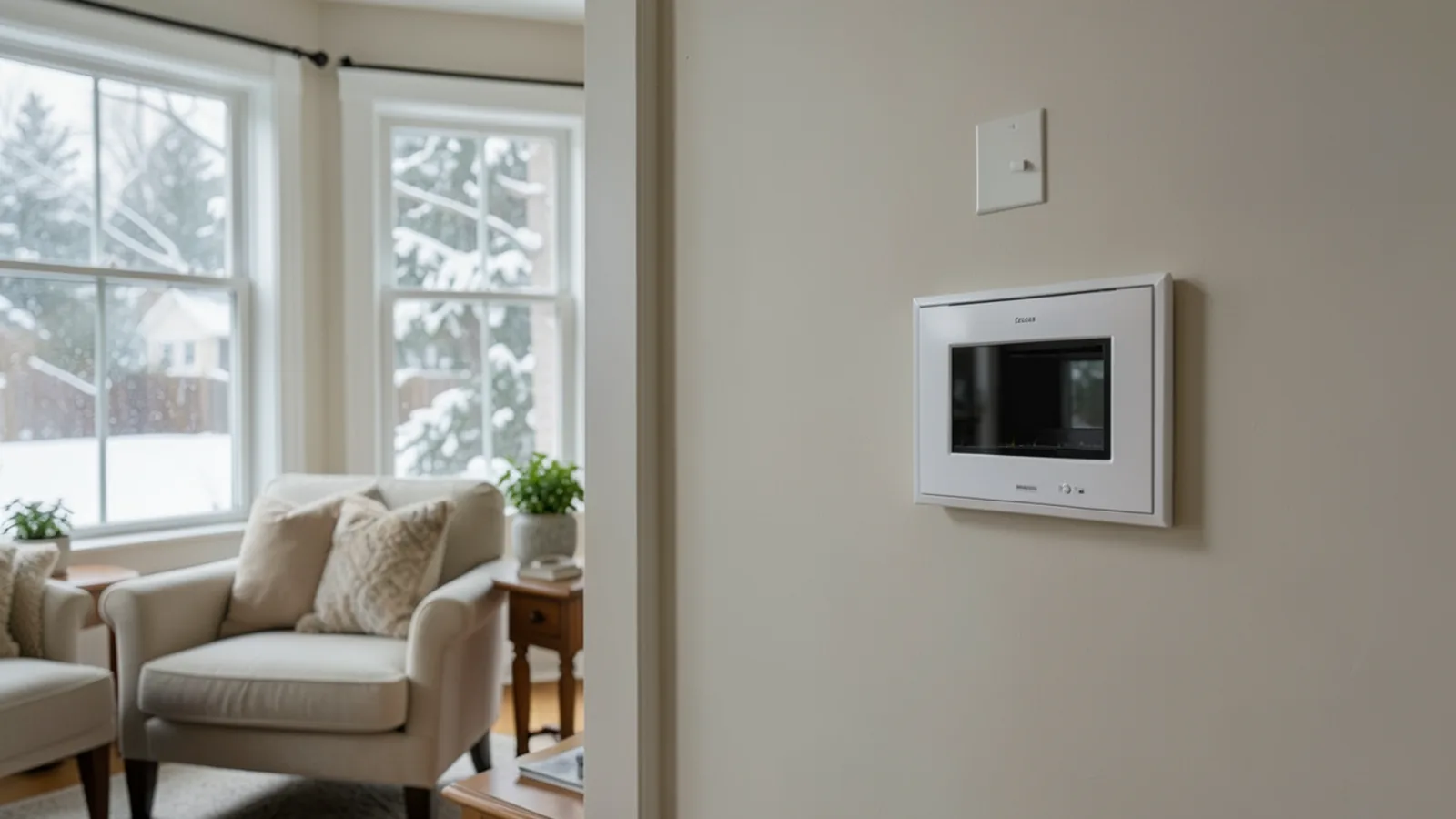
Home heating in New Hampshire is undergoing its most significant technological shift in half a century. As volatile heating oil and propane prices squeeze household budgets, thousands of homeowners across Merrimack, Bedford, Amherst, and Hollis are upgrading to cold-climate inverter heat pumps.
To accelerate clean energy adoption and reduce electric grid strain, New Hampshire's major electric and gas utilities collaborate through the **NHSaves** initiative to provide aggressive financial incentives that offset the upfront cost of high-efficiency heat pump installations.
Combined with federal Energy Efficient Home Improvement tax credits, qualifying southern New Hampshire homeowners can capture thousands of dollars in incentives. However, navigating program rules, AHRI match ratings, and application deadlines requires clear understanding.
Modern variable-speed inverter compressors extract usable heat from outdoor ambient air even during sub-zero New England cold snaps, maintaining steady 70°F indoor comfort without burning fossil fuels.
Need In-Person Heating Diagnostics in Southern NH?
Our Merrimack technicians carry diagnostic equipment and replacement parts on every dispatch. Call to discuss your heating system.
- Fast 10–25 minute arrival across Merrimack, Nashua & Manchester
- Upfront diagnosis & written estimate before any work begins
- Full service for natural gas, fuel oil, and propane equipment
Merrimack Hub
454 Daniel Webster Hwy
Rapid Dispatch
10–25 Min Metro Arrival
Upfront Pricing
Clear Quotes Before Work
Multi-Fuel Pro
Gas, Oil & Propane Systems
Sponsoring Utilities & Qualified Heating Fuel Baselines
The NHSaves program is funded by the state's Energy Efficiency charge and administered jointly by four major electric utilities:
1. Eversource New Hampshire (serving Merrimack, Manchester, Bedford, Londonderry, and surrounding towns)
2. Liberty Utilities (providing gas and electric service in Nashua and Salem)
3. Unitil (serving select south-central communities)
4. New Hampshire Electric Cooperative (NHEC, serving rural cooperative districts)
Rebate amounts are tiered based on your existing baseline heating fuel and installation scope. Homeowners currently heating with delivered oil, propane, or electric resistance heaters qualify for the highest rebate tiers when displacing fossil fuels with cold-climate heat pumps.
Natural gas customers can also access generous equipment rebates when replacing aging 80% furnaces with high-efficiency heat pump systems or hybrid dual-fuel configurations.
NEEP Cold-Climate Certification & Equipment Standards
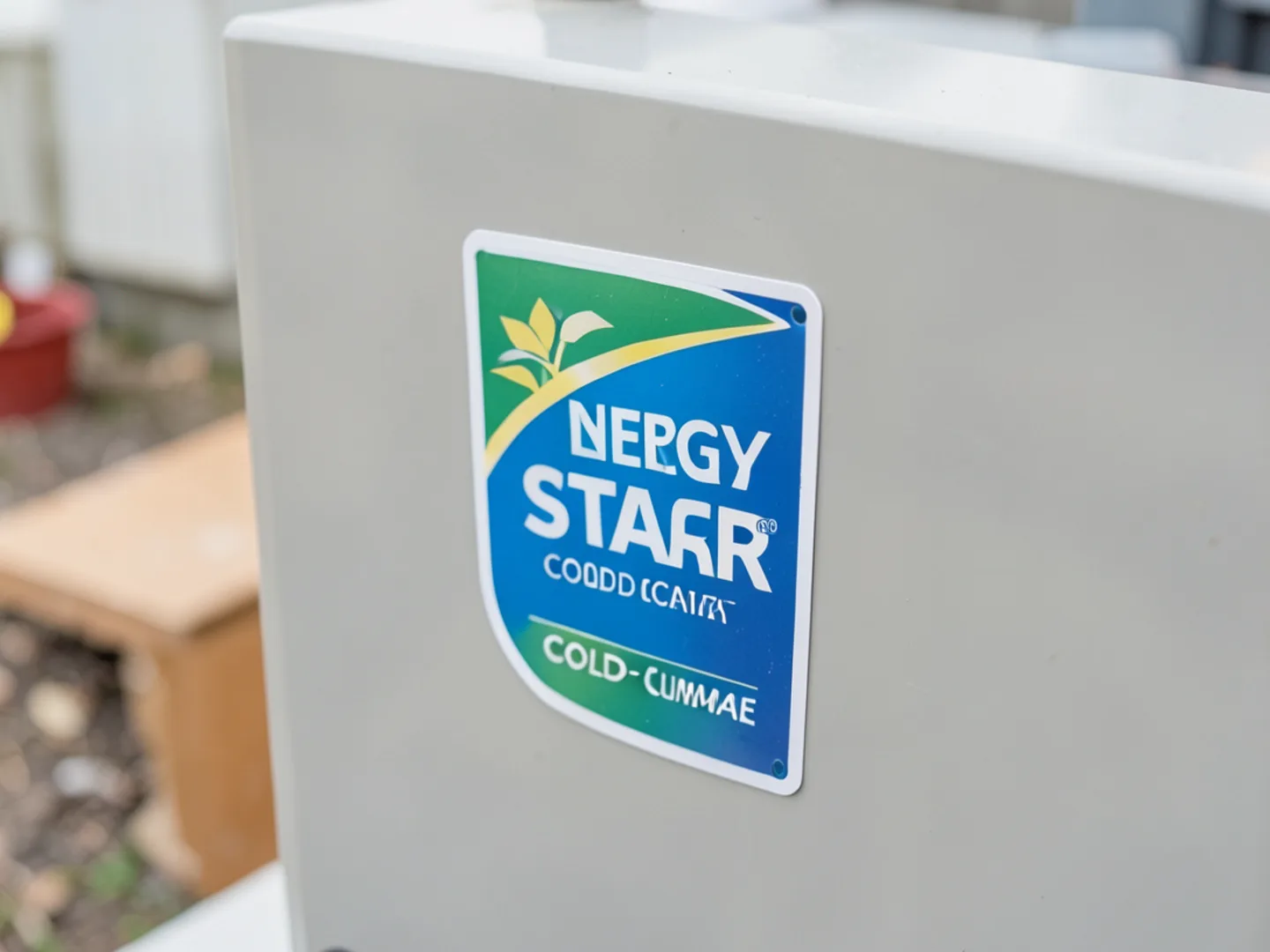
Not all heat pumps qualify for NHSaves rebates. Equipment must be engineered specifically for northern winter climates and independently certified by the Northeast Energy Efficiency Partnerships (NEEP) Cold Climate Air-Source Heat Pump product specification.
To earn NEEP listing, an inverter heat pump must demonstrate:
- Coefficient of Performance (COP) of at least 1.75 at 5°F outdoor ambient temperature
- Minimum SEER2 (Seasonal Energy Efficiency Ratio) of 16.0 or higher
- Minimum HSPF2 (Heating Seasonal Performance Factor) of 8.5 to 9.0 or higher
- Documented variable-capacity operation capable of delivering high heating capacity down to -15°F
At Puzzled Comfort HVAC, every heat pump and ductless mini-split system we design is selected from the active NEEP certified list, guaranteeing full rebate compliance.
Whole-Home vs Partial-Home Displace Rebate Tiers
NHSaves divides heat pump incentives into two primary program tracks:
Whole-Home Electrification Track: Sized to satisfy 100% of the building's heat load at winter design temperatures. Homeowners must remove their existing fossil-fuel heating plant or install integrated dual-fuel controls with outdoor temperature lockouts that ensure the heat pump operates as the primary source down to 5°F or lower. This path yields the highest incentive, often reaching thousands per ton of capacity.
Supplemental / Partial-Home Track: Ideal for homes adding heating and cooling to additions, master suites, or cold rooms while retaining an existing boiler for whole-home baseboard heat. Incentives are awarded on a per-ton or per-indoor-head basis.
| Incentive Program | Eligible Equipment | Key Requirement | Application Channel |
|---|---|---|---|
| NHSaves Whole-Home | NEEP-certified inverter heat pumps | Displace 100% of heating load | Contractor submission via NHSaves portal |
| NHSaves Supplemental | Ductless mini-splits & multi-splits | SEER2 ≥ 16, HSPF2 ≥ 8.5 | Online customer / contractor portal |
| Federal Section 25C Credit | High-efficiency CCHP systems | 30% of project cost (up to $2,000 cap) | IRS Form 5695 filed with federal tax return |
| Electric Utility Time-of-Use | EV & Heat Pump electric metering | Dedicated smart meter install | Direct utility customer application |
Income-Eligible vs Standard NHSaves Heat Pump Tiers
In addition to market-rate residential rebates, New Hampshire provides enhanced funding through the Home Energy Assistance (HEA) program for income-qualified households.
Residents whose household income falls below 60% to 80% of the state median income may qualify for subsidized weatherization (attic air sealing, dense-pack cellulose insulation) and no-cost or heavily discounted cold-climate heat pump installations administered through local Community Action Program (CAP) agencies.
Upgrading home weatherization prior to heat pump installation is highly encouraged for all homeowners, as sealing thermal envelope leaks reduces the required heat pump capacity, lowering both equipment costs and monthly electric bills.
Electrical Panel Upgrades & 200-Amp Transitions
Installing a multi-zone heat pump system often requires 30 to 50 amps of additional 240-volt electrical capacity. Many older 1960s to 1980s homes in Merrimack, Nashua, and Manchester have 100-amp electrical panels that are already near full capacity.
Under the federal Inflation Reduction Act, homeowners who upgrade their electrical service panel from 100 amps to 200 amps in conjunction with clean energy heat pump installation qualify for an additional $600 in federal tax credits.
We coordinate with licensed master electricians to evaluate your panel capacity, install dedicated 240V breakers and outdoor disconnect switches, and ensure your home's electrical service safely supports year-round heating and cooling.
Expert Insight: COP Sizing Curves at -13°F vs Supplemental Electric Strip Elements
A frequent anxiety among southern New Hampshire homeowners considering heat pumps is whether they can truly keep a house warm when outdoor temperatures plummet below zero during a January nor'easter. The answer lies in understanding modern inverter compression physics and Coefficient of Performance (COP) curves.
Legacy heat pumps from the 1990s and 2000s used single-stage compressors. As outdoor temperatures dropped toward freezing, refrigerant mass flow collapsed, causing heating capacity to fall off a cliff right around 32°F. To prevent freeze-ups, these older units engaged high-draw 10 kW to 15 kW electric resistance backup elements—essentially giant electric toasters in the ductwork—that sent monthly utility bills skyrocketing.
Modern cold-climate systems utilize flash-injection variable-speed scroll compressors and environmentally compliant synthetic refrigerants. By injecting vaporized refrigerant directly into the middle of the compression cycle, these systems maintain 100% rated heating capacity down to 5°F and sustain robust heating down to -13°F or -15°F without engaging resistance heat.
Even at 5°F, high-efficiency cold-climate units achieve a COP between 1.8 and 2.2, meaning they generate over two units of thermal heat for every single unit of electrical energy consumed. Our technicians model your building's exact thermal loss against the heat pump's expanded heating curve to select the optimal capacity without oversizing summer cooling or relying on expensive emergency resistance heat.
Whole-Home Weatherization Prerequisites: The NHSaves Thermal Envelope Audit
Before investing thousands in heat pump hardware, forward-thinking homeowners take advantage of the NHSaves Home Energy Assessment. Heating equipment is only as efficient as the structural envelope holding the conditioned air.
During a utility-subsidized energy audit, a certified energy specialist performs a diagnostic blower door test to depressurize your home to -50 Pascals, measuring exactly how many cubic feet of air leak through building seams every minute (CFM50). Combined with calibrated infrared thermal imaging cameras, the audit pinpoints hidden drafts around rim joists, uninsulated cantilevered floors, recessed lighting fixtures, and attic pull-down stairwells.
Through NHSaves, qualifying homeowners can receive 75% to 90% instant rebates on attic air sealing and dense-pack cellulose insulation. Addressing thermal leaks first frequently reduces a home's calculated heating load by 12,000 to 24,000 BTUs. That reduction allows our technicians to specify a smaller 3-ton heat pump instead of an expensive 4-ton or 5-ton system—saving upfront equipment expense, avoiding costly 200-amp service panel upgrades, and ensuring whisper-quiet indoor operation.
The Step-by-Step Rebate Application & Installation Roadmap
Securing your utility rebates should never feel like a frustrating bureaucratic maze. We handle the heavy lifting through our structured five-step rebate workflow:
Step 1: On-Site Manual J Heat Load Calculation: We calculate exact room-by-room heating loads based on your home's insulation, windows, and square footage.
Step 2: Equipment Matching & AHRI Certificate: We select matched outdoor condensers and indoor air handlers, generating the official AHRI (Air-Conditioning, Heating, and Refrigeration Institute) certificate required by utility auditors.
Step 3: Quality Installation & Code Permitting: Our technicians install elevated snow stands, pull vacuums below 400 microns, test line pressures, and pull required municipal building permits.
Step 4: Quality Installation Verification (QIV): We document refrigerant charge weights, electrical connections, and digital thermostat lockout settings.
Step 5: Application Submission & Rebate Check: We submit the complete technical application packet to the NHSaves processing clearinghouse, ensuring prompt rebate check disbursement directly to you.

Common Questions on this Topic
Practical answers from our experienced HVAC service technicians.
Yes! NHSaves utility rebates can be stacked with federal Section 25C Energy Efficient Home Improvement tax credits. The 25C credit provides a 30% tax credit up to a $2,000 annual maximum, significantly lowering your net out-of-pocket investment.
Have a question about your specific heating system or fuel type?
Speak directly with a local technician to discuss symptoms and dispatch options.
Call Our Dispatch Desk: (321) 666-8870