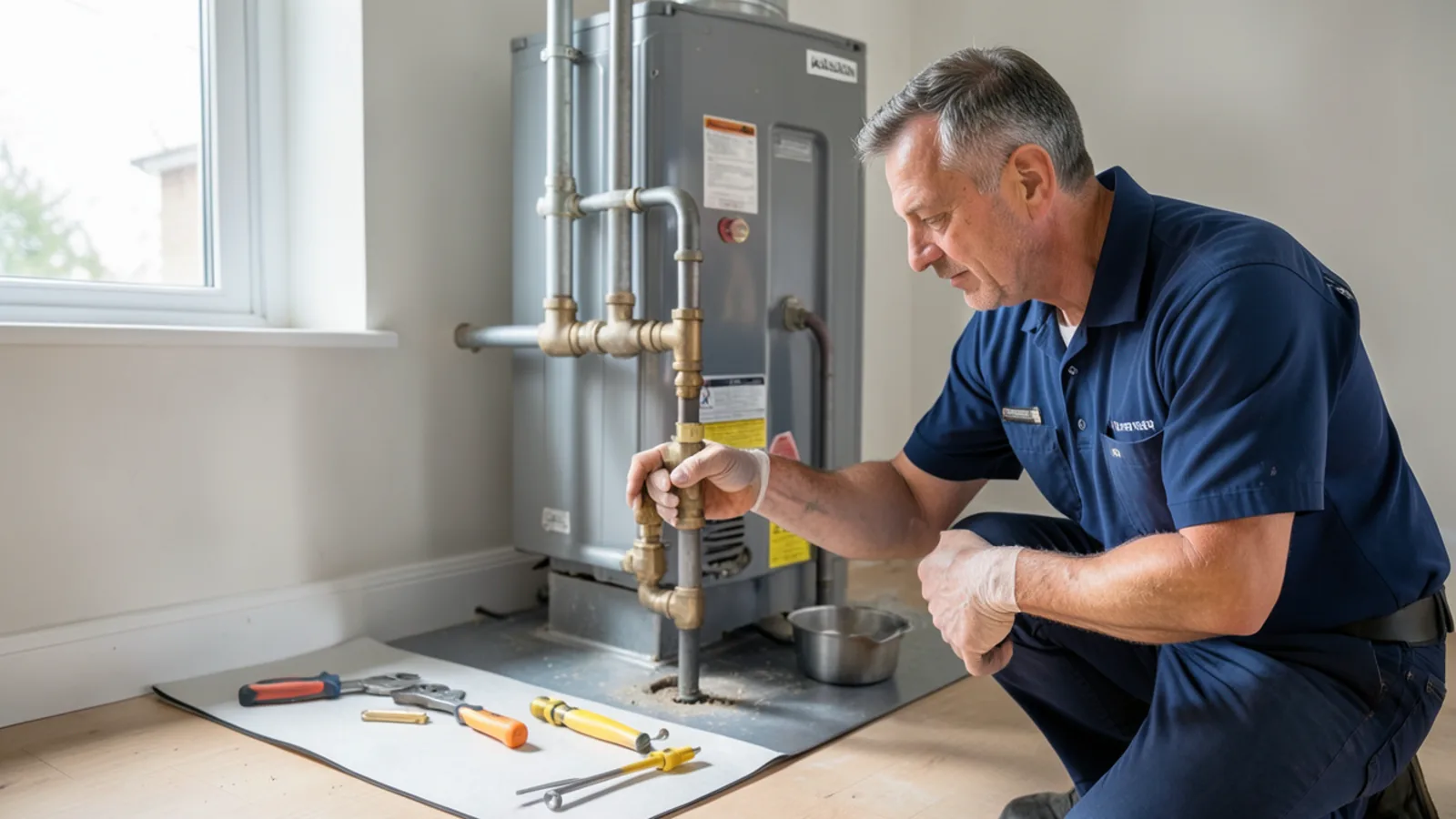
Oil & Gas Boiler Repair in Merrimack, NH
Expert hydronic baseboard, radiant floor, and steam boiler diagnostics for cast-iron and high-efficiency systems across Merrimack and Hillsborough County.
Merrimack Hub
454 Daniel Webster Hwy
Rapid Dispatch
10–25 Min Metro Arrival
Upfront Pricing
Clear Quotes Before Work
Multi-Fuel Pro
Gas, Oil & Propane Systems
Service Standards & Guarantees
- Specialized service for both hydronic hot water and steam systems
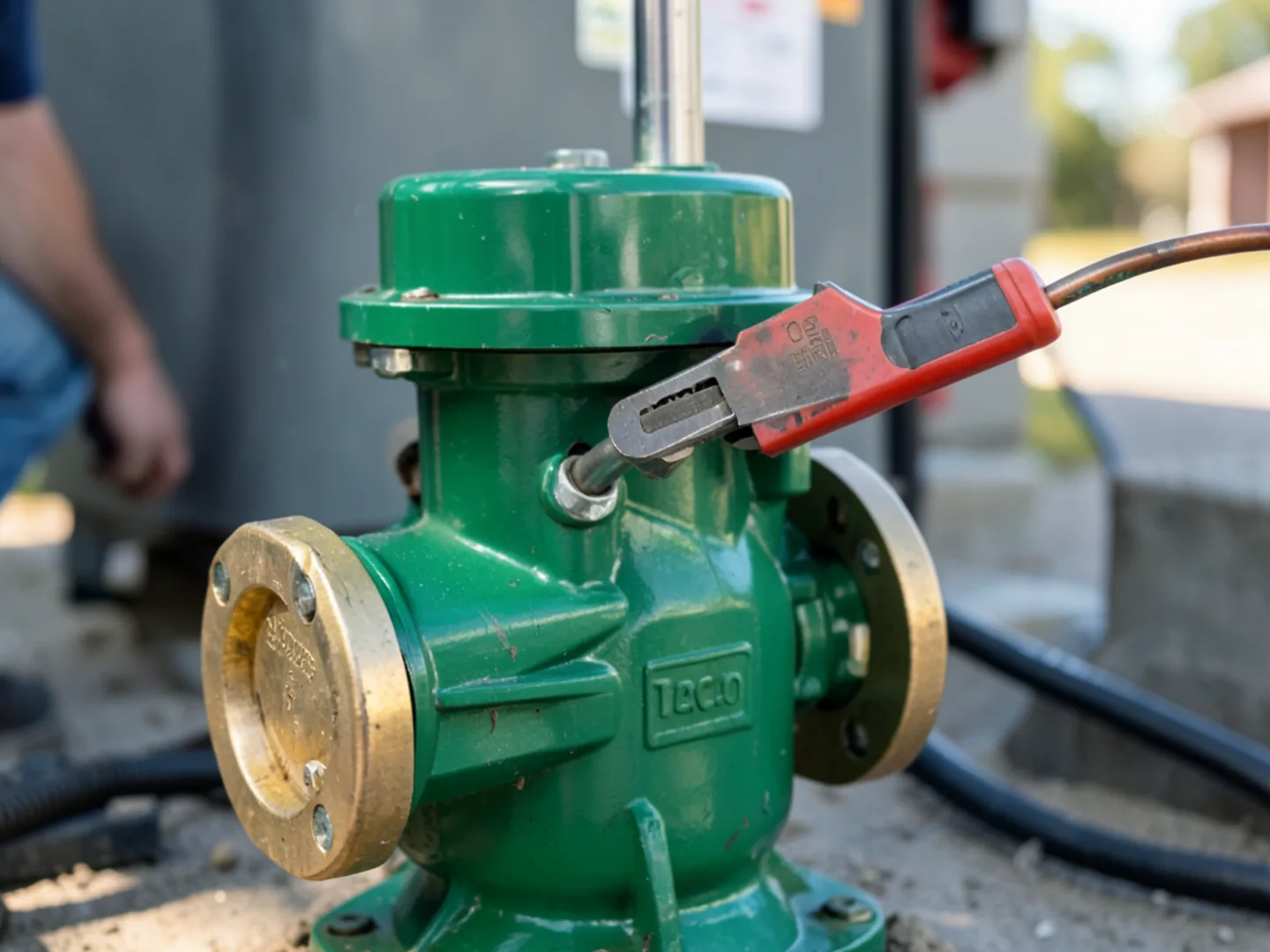
- Taco & Grundfos circulator pump rebuilds and cartridge replacements
- Purging air-bound heating loops and balancing multi-zone valves
- Annual combustion tuning for oil burners and gas condensing combis
Diagnosing Cold Baseboards, Air Binding & Radiator Troubles
Hydronic heating systems—circulating heated water through copper fin-tube baseboards, cast-iron radiators, or radiant in-floor loops—are the gold standard for comfortable, draft-free New England warmth. However, when an individual zone or entire floor fails to warm up, the root failure is frequently hydraulic rather than electrical.
The most common culprit behind cold baseboards in Merrimack and Bedford homes is air binding. Because air is lighter than water, microscopic dissolved air bubbles rise to the highest piping elevation in the home—typically second-floor master bedrooms or finished attic spaces. Once an air pocket gathers in an elbow or upper manifold, the hydronic circulator pump lacks the physical head pressure to overcome it, completely halting hot water circulation while the boiler fires normally in the basement.
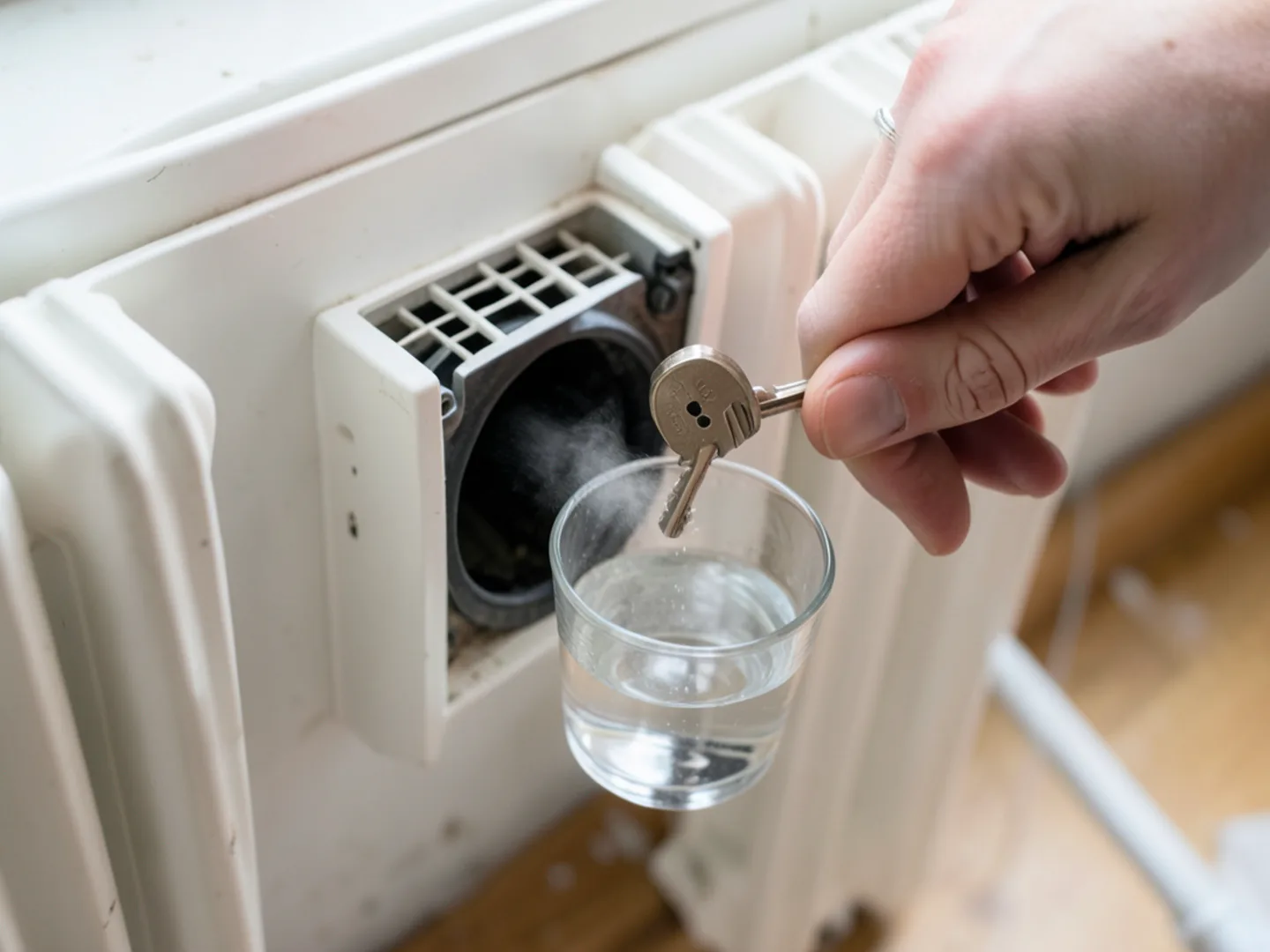
Our technicians carry dedicated high-flow purge pumps and multi-valve manifolds to flush isolated zones with pressurized water, displacing stubborn air locks and venting micro-bubbles through manual coin vents without creating water spills in finished living spaces.
- Main level is warm but second-floor baseboards remain completely cold to the touch
- Loud gurgling, rushing water noises, or clanking inside baseboard copper piping
- Thermostat audibly clicks to call for heat but the zone valve fails to motor open
- Circulator pump housing is scalding hot to the touch while the return copper pipe stays cold
- Individual cast-iron radiator refuses to heat despite boiler reaching high-limit temperature
Experiencing Issues With Your Boiler Repair?
Call our Merrimack diagnostic desk directly. Speak with an experienced technician who will explain your options and dispatch help promptly.
- Fast 10–25 minute arrival across Merrimack, Nashua & Manchester
- Upfront diagnosis & written estimate before any work begins
- Full service for natural gas, fuel oil, and propane equipment
Merrimack Hub
454 Daniel Webster Hwy
Rapid Dispatch
10–25 Min Metro Arrival
Upfront Pricing
Clear Quotes Before Work
Multi-Fuel Pro
Gas, Oil & Propane Systems
Hydronic Pressure Relief Leaks, Expansion Tanks & Water Feeders
Residential hydronic heating systems operate as a closed, pressurized water circuit. In standard two-story southern New Hampshire homes, cold system resting pressure should read between 12 and 15 PSI on the tridicator gauge, rising to approximately 18 to 22 PSI when water is fully heated to 180°F.
When water heats up from 60°F to 180°F, it expands in volume by roughly 4%. The expansion tank is engineered to absorb this thermal expansion volume using a heavy-duty butyl rubber diaphragm backed by a 12 PSI factory air cushion. When that diaphragm ruptures or the tank becomes waterlogged, the expanding hot water has nowhere to go. System pressure rapidly spikes past 30 PSI, forcing the ASME safety pressure relief valve to open and discharge scalding water onto the basement floor.
A puddle beneath your boiler discharge pipe is a critical diagnostic indicator that your expansion tank has failed or that the automatic pressure-reducing water feed valve is leaking continuous street pressure into the closed heating loop. Operating a boiler with chronic relief discharges introduces continuous fresh tap water, introducing oxygen that accelerates internal cast-iron corrosion and destroys boiler sections.
Our 6-Step Hydronic & Steam Boiler Diagnostic Sequence
Hydronic troubleshooting requires an exact balance of electrical controls and hydraulic fluid mechanics. When our service van arrives at your home, our technician follows an exhaustive six-step diagnostic protocol to locate the exact point of failure.
Step 1: Tridicator Temperature & Pressure Interrogation
We inspect the combination tridicator gauge to evaluate system static pressure cold versus operating pressure hot (normal range 12–15 PSI cold; 18–22 PSI at 180°F) to determine whether the loop is under-pressurized or hydraulically overfilled.
Step 2: Expansion Tank Air Cushion & Diaphragm Testing
We depress the Schrader air valve on the expansion tank base. If water squirts out, the internal diaphragm has ruptured. We isolate the tank, relieve water pressure, and verify air pre-charge with a digital tire pressure gauge to standard 12 PSI.
Step 3: Aquastat, Relay Board & Zone Valve Electrical Continuity
Using a true-RMS multimeter, we test 24V AC transformer output, Honeywell L8148 / L7224 aquastat high-limit and low-limit differentials, and zone valve end-switch continuity to confirm the burner firing signal reaches the relay.
Step 4: Circulator Pump Motor Amperage & Impeller Verification
We measure electrical current draw on Taco 007 or Grundfos circulator pumps with an inductive clamp meter. We verify motor windings, test the start/run capacitor, and confirm that internal cartridge impellers are not seized by mineral scale.
Step 5: High-Velocity Air Lock Purging & Zone Balancing
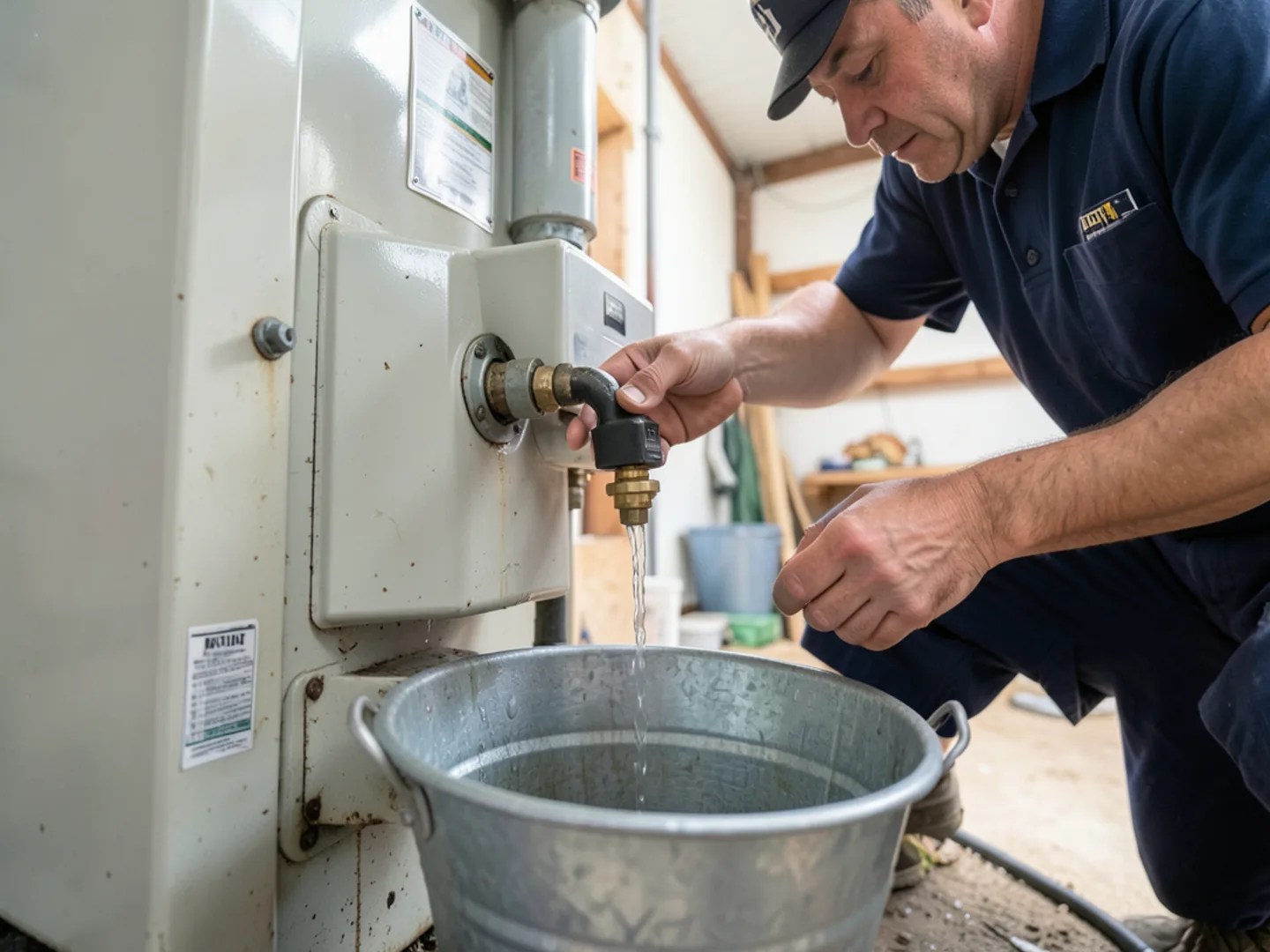
We connect high-flow hoses to isolated boiler drain valves, flush city water through individual zone loops, vent baseboard coin air bleeders, and restore uniform hydronic balancing across all household levels.
Step 6: Flue Gas Combustion Analysis & Relief Valve Certification
We insert an electronic combustion analyzer into the smoke pipe to test stack temperature, draft, and carbon monoxide. Finally, we manually lift and inspect the 30 PSI safety relief valve and verify automatic feed valve cutoff.
Steam Boiler Care: Low Water Cutoffs, Sight Glasses & Hartford Loops
In older historic neighborhoods throughout Nashua (the Tree Streets) and Manchester (the West Side), many multi-family homes and turn-of-the-century residences are heated by single-pipe low-pressure steam boilers. Steam heating requires specialized mechanical expertise that modern forced-air contractors often lack.
Steam boilers operate with visible water in a vertical glass gauge tube. The low-water cutoff (LWCO) is the single most critical safety mechanism: if water levels drop below the safe line, the LWCO immediately cuts electrical power to the burner to prevent dry-firing, which cracks cast-iron sections within minutes.
We service mechanical float-style cutoffs, electronic probe LWCOs, McDonnell & Miller automatic water feeders, Hartford equalizing loops, and radiator air vents to eliminate violent pipe banging, hissing valves, and cold radiators across historic southern New Hampshire properties.
Permit Rules, ASME Standards & Hydronic Safety Codes in Merrimack
Hydronic and steam boilers operate under strict pressure vessel and combustion safety codes. In Merrimack and Hillsborough County, boiler installations and piping modifications are governed by ASME Section IV (Rules for Construction of Heating Boilers) alongside NFPA 54 for natural gas and NFPA 31 for fuel oil equipment.
Under Town of Merrimack Building Division regulations, major boiler installations or gas piping alterations require a standard $75 mechanical permit followed by a physical inspection by the local building official. Pressure relief valves must be ASME-rated for 30 PSI (hydronic) or 15 PSI (steam) and piped full-size to within 6 inches of the floor to prevent scalding hazards.
Oil Burner Nozzle, Electrode & Combustion Chamber Servicing
Many suburban and rural homes in Amherst, Hollis, Litchfield, and Merrimack rely on oil-fired hydronic boilers. Fuel oil contains heavy hydrocarbons that leave microscopic soot deposits across the boiler's cast-iron heat transfer pins.
A layer of soot just 1/16th of an inch thick acts as thermal insulation, reducing heat transfer into the water by up to 15% and driving up heating oil consumption. Our annual boiler tune-up mechanically brushes the heat exchanger passages, vacuums combustion chambers, replaces the brass fuel spray nozzle and fuel oil filter cartridge, aligns ignition electrodes, and tunes fuel pump pressure to 100–140 PSI.
| Hydronic Parameter | Target Specification | Operational Function |
|---|---|---|
| Cold Static Pressure | 12 – 15 PSI | Maintains positive head pressure to upper-floor baseboard loops |
| Operating Temperature | 180°F High Limit / 160°F Low Limit | Provides optimal convection heat transfer without boiling |
| Expansion Tank Pre-Charge | 12 PSI Air Cushion | Absorbs 4% water volume expansion during heating cycle |
| Cad Cell Resistance | < 1,600 Ohms (with flame) | Confirms clean oil combustion flame to primary safety control |
| Flue Stack Temperature | 325° – 450°F (Cast Iron) | Guarantees complete draft while avoiding thermal energy waste |
Why Southern NH Homeowners Call Puzzled Comfort for Boiler Care
Puzzled Comfort HVAC is centrally based at 454 Daniel Webster Highway, Suite 4 in Merrimack. Our service vans are equipped with specialized hydronic tools: high-capacity purge pumps, Taco circulator cartridges, Honeywell zone valve powerheads, replacement expansion tanks, and universal oil burner nozzles.
We treat hydronic heating as a specialized trade. When our technician arrives, you receive a detailed explanation of the hydraulic or electrical fault, a transparent written quote before work begins, and a complete system safety check. We never push replacement when a skilled component rebuild or zone balance restores reliable heating comfort.
What Factors Influence Boiler Repair Costs in Merrimack?
We believe in 100% transparent pricing. You will always receive a full explanation of the failure and an upfront written quote before our technician turns a single wrench.
The overall cost of a boiler repair depends on the system type (forced hot water hydronic vs low-pressure steam), the fuel source (natural gas vs heating oil), the failed component tier (a zone valve motor head or relief valve vs a cast-iron boiler section or ECM smart circulator), and the labor involved in draining, manifold soldering, and purging complex multi-zone piping loops.
Our fully stocked service vehicles allow us to complete more than 85% of standard boiler repairs on the initial visit without waiting for parts supply houses to open.
Frequently Asked Questions About Boiler Repair
Straightforward answers to the most common questions our technicians receive on the job.
Dripping water almost always means system pressure has exceeded 30 PSI due to a waterlogged expansion tank with a ruptured internal diaphragm or a leaking automatic pressure-reducing fill valve. This requires immediate service to prevent continuous fresh tap water from introducing oxygen that rapidly corrodes cast-iron boiler sections.
Have a question about your specific heating system or fuel type?
Speak directly with a local technician to discuss symptoms and dispatch options.
Call Our Dispatch Desk: (321) 666-8870Ready for Reliable Boiler Repair?
Call Puzzled Comfort HVAC at (321) 666-8870. Fast southern NH dispatch, clear quotes, and no-nonsense heating solutions.
- Fast 10–25 minute arrival across Merrimack, Nashua & Manchester
- Upfront diagnosis & written estimate before any work begins
- Full service for natural gas, fuel oil, and propane equipment
Merrimack Hub
454 Daniel Webster Hwy
Rapid Dispatch
10–25 Min Metro Arrival
Upfront Pricing
Clear Quotes Before Work
Multi-Fuel Pro
Gas, Oil & Propane Systems