The First 15 Minutes: Emergency Home Triage & Immediate Safety
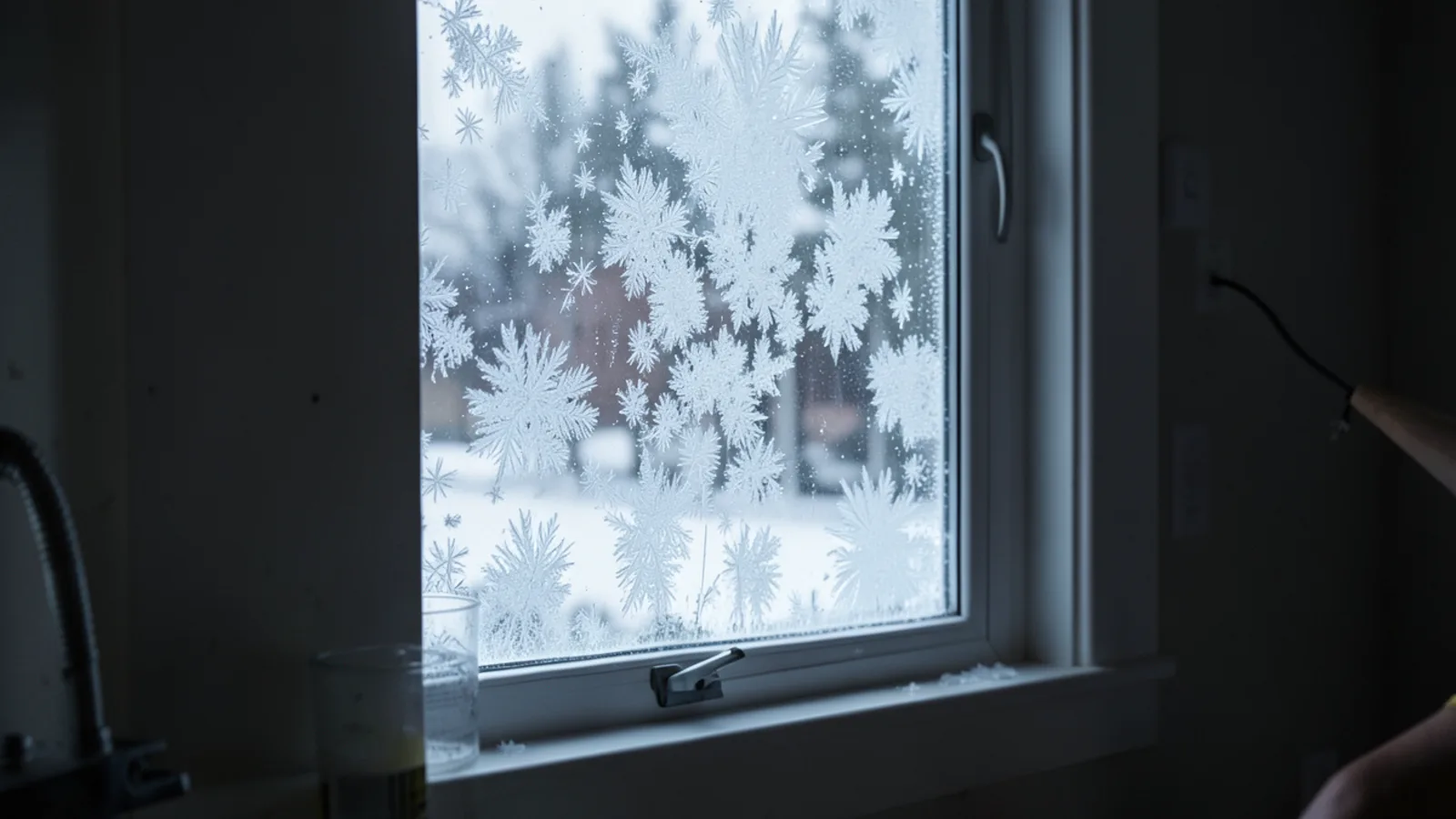
Waking up to a freezing home during a New Hampshire nor'easter or arctic blast is an alarming experience. When outdoor temperatures drop below zero in Merrimack, Nashua, or Manchester, indoor temperatures can decline by 2 to 4 degrees every hour. Before taking any DIY troubleshooting steps, your first priority must be personal safety.
If anyone in your household is experiencing unexplained headaches, dizziness, nausea, confusion, or weakness, or if your carbon monoxide detector is sounding an alarm, evacuate the house immediately into fresh outdoor air and call 911 from a mobile phone or neighbor's house. Combustion failures during extreme cold are a primary cause of lethal carbon monoxide accumulation.
Similarly, if you detect the distinct rotten-egg odor of natural gas (mercaptan) or propane, do not operate light switches, garage door openers, or any electrical devices. Evacuate everyone outside immediately and call your gas utility (Liberty Utilities) and emergency dispatch from a safe distance.
Once immediate safety is confirmed, pick up the phone and call our 24/7 Merrimack dispatch desk at (321) 666-8870. During major cold snaps, service queues fill rapidly. Getting your address into our dispatch queue right away ensures a technician is routed to your home as quickly as possible.
Need In-Person Heating Diagnostics in Southern NH?
Our Merrimack technicians carry diagnostic equipment and replacement parts on every dispatch. Call to discuss your heating system.
- Fast 10–25 minute arrival across Merrimack, Nashua & Manchester
- Upfront diagnosis & written estimate before any work begins
- Full service for natural gas, fuel oil, and propane equipment
Merrimack Hub
454 Daniel Webster Hwy
Rapid Dispatch
10–25 Min Metro Arrival
Upfront Pricing
Clear Quotes Before Work
Multi-Fuel Pro
Gas, Oil & Propane Systems
Protecting Your Domestic Plumbing from Freezing & Rupture
The most destructive and expensive consequence of a prolonged winter heating outage is not the HVAC repair itself—it is the catastrophic water damage caused by burst plumbing pipes. When water freezes inside copper or PEX tubing, it expands by approximately 9% in volume, exerting pressures exceeding 2,000 pounds per square inch that split pipe seams effortlessly.
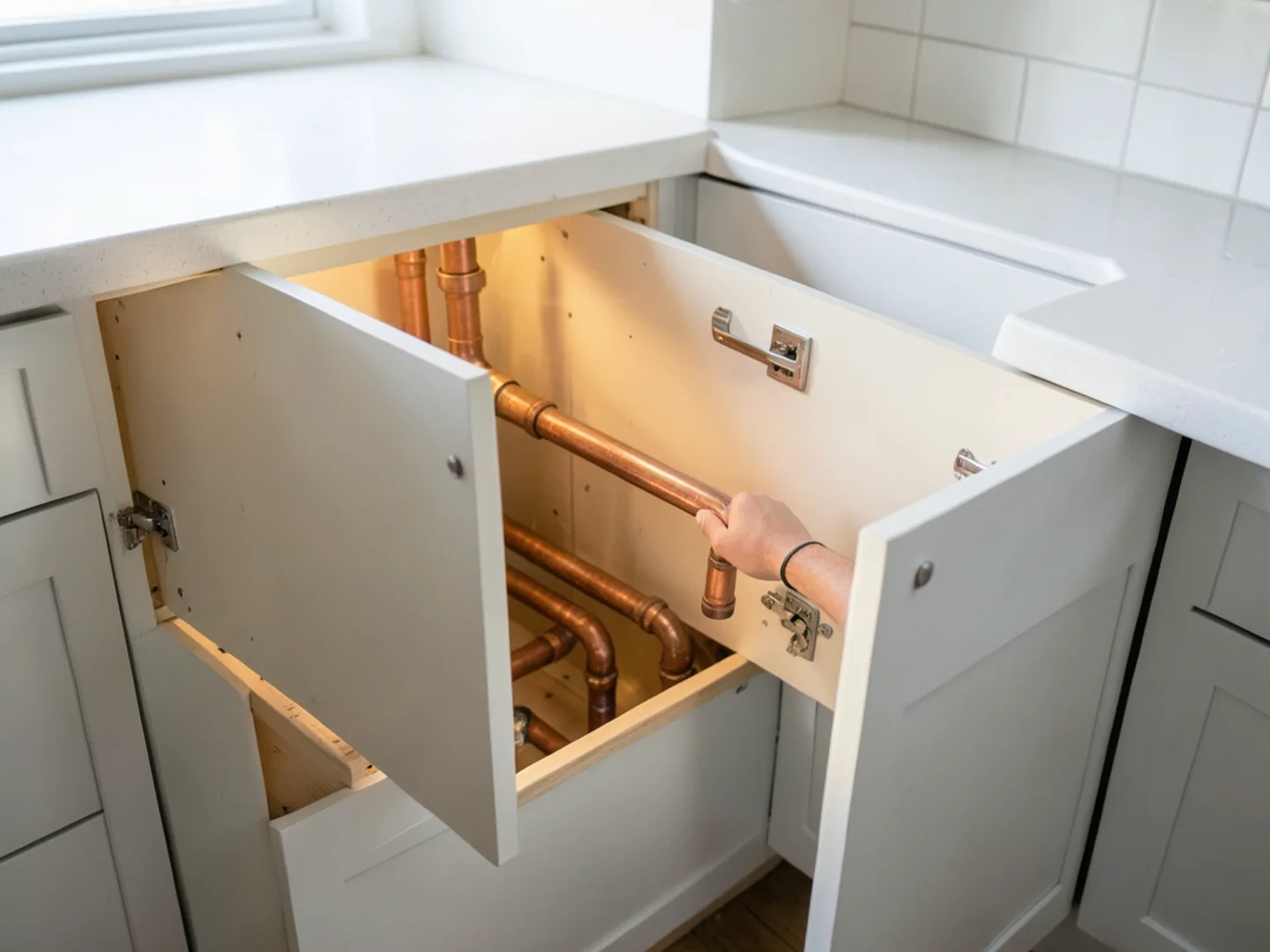
Plumbing lines routed through exterior walls, unconditioned basements, unheated crawlspaces, and beneath bathroom vanities are especially vulnerable. While waiting for your HVAC technician, open all cabinet vanity doors beneath kitchen and bathroom sinks located on exterior walls. This allows warm ambient air from the living space to circulate directly around the pipes.
Turn on cold-water faucets located furthest from your main domestic water shutoff valve, allowing a continuous, pencil-thin stream of water to run. Moving water freezes at a significantly slower rate than standing water. More importantly, keeping the faucet open relieves dangerous hydrostatic pressure between an ice blockage and closed fixtures, preventing pipe rupture even if partial freezing occurs.
Locate your main domestic water shutoff valve (usually situated in the basement where the municipal water service pipe enters through the foundation, or near the pressure tank for private well systems). Ensure the handle turns freely. If you hear ice cracking or notice a complete loss of water pressure, shut the main valve off immediately to prevent torrential basement flooding when the system thaws.
Conserving Residual Heat Inside Your Living Spaces
Your home's thermal envelope contains significant residual heat stored in walls, furniture, and flooring. Maximizing heat retention will keep indoor temperatures livable for hours before emergency repairs are completed.
Select one interior room—preferably a south-facing room with minimal exterior wall exposure—and gather all family members and pets inside. Close all interior doors leading to unoccupied bedrooms, hallways, bathrooms, and formal living areas. Concentrating human body heat into a smaller volume significantly slows the temperature drop.
Hang heavy blankets, quilts, or sleeping bags over windows to create supplemental thermal barriers, particularly on north- and west-facing windows exposed to brutal winter winds. Roll up towels and place them snugly against the bottoms of exterior doors to block cold drafts.
If using electric portable space heaters, maintain a strict 3-foot clearance from curtains, bedding, and furniture. Plug space heaters directly into grounded wall receptacles—never use lightweight extension cords or overloaded power strips. Crucially: NEVER use a gas kitchen stove, oven, camping stove, or charcoal grill to heat your home, as doing so produces lethal carbon monoxide within minutes.
Safe Equipment Verification: What Homeowners Can Safely Check
Before our technician arrives, you can perform four rapid, non-invasive physical checks that occasionally resolve minor heating shutdowns without requiring replacement parts.
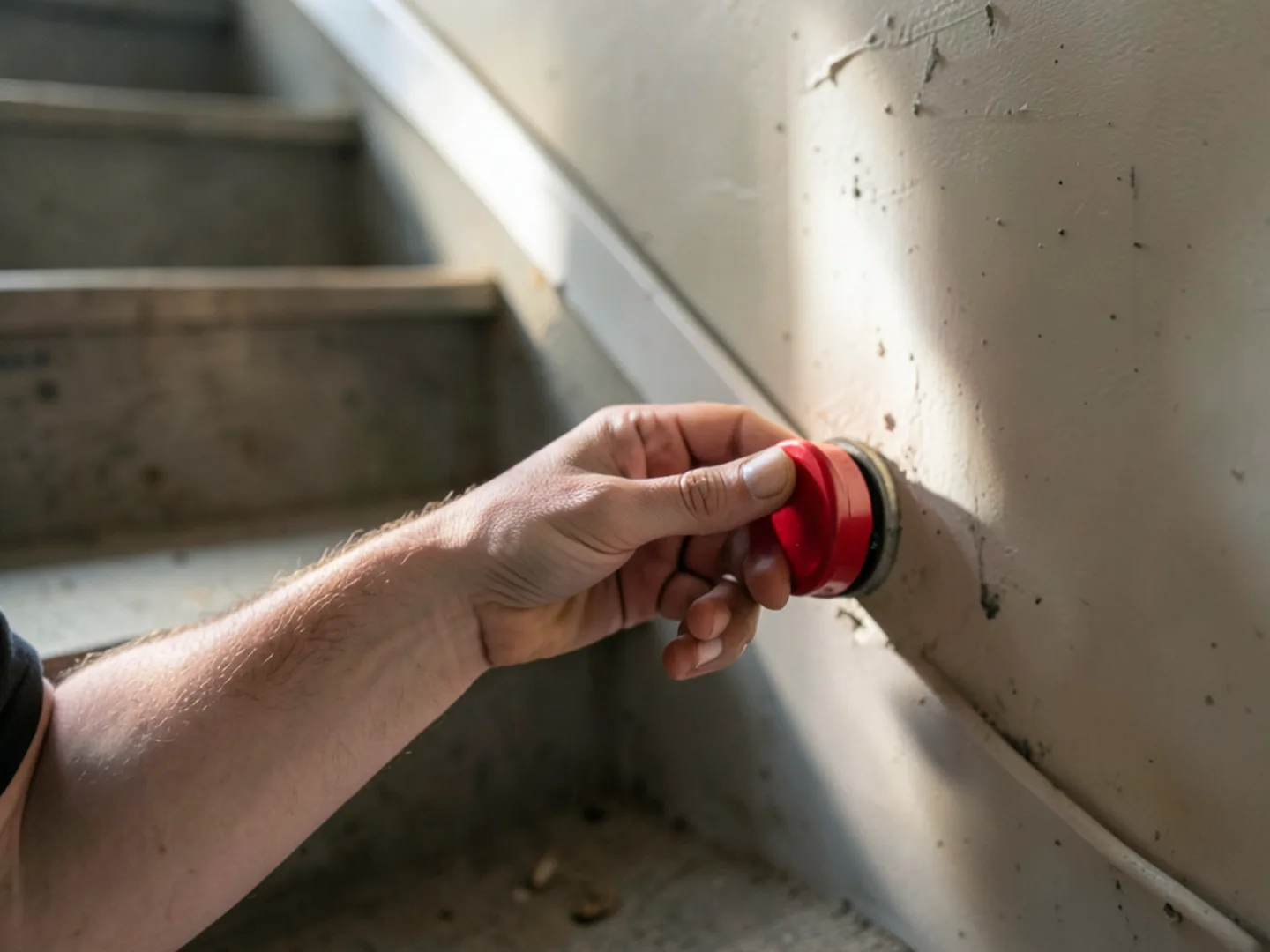
First, check the emergency power switch. In New Hampshire homes, mechanical codes mandate a red-painted emergency switch plate located at the head of the cellar stairs or on the side of the heating unit. These switches are frequently bumped into the OFF position by family members, holiday guests, or pets.
Second, verify the circuit breaker panel. Locate the breaker dedicated to your furnace or boiler. If it has tripped into the center position, firmly switch it completely to OFF, then switch it back to ON. If it trips again immediately, leave it off and wait for our technician.
Third, inspect your thermostat display. If the digital screen is completely blank, the internal AA or AAA backup batteries may have failed, or the 24-volt transformer has lost power. Replace the batteries with fresh alkaline cells and ensure the system switch is firmly set to HEAT with the setpoint raised at least 5 degrees above current room temperature.
Fourth, if you have an oil-fired heating system and the red reset button on the burner control relay is illuminated, you may press it ONCE firmly for one second. If the burner starts and stays running, monitor it closely. If it fails to fire or shuts down after 45 seconds, **DO NOT press the reset button a second time.** Repeated reset attempts spray raw atomized oil into a hot combustion chamber, creating an explosive hazard known as a puff-back.
Emergency Triage Checklist Table for Winter Outages
Use this quick diagnostic triage table to assess system symptoms and understand what our emergency response technicians will inspect upon arrival:
| Observed Symptom | Likely Root Cause | Immediate Homeowner Action | Professional Field Solution |
|---|---|---|---|
| Thermostat blank, unit silent | Dead batteries or tripped breaker | Replace thermostat batteries, check panel | Inspect 24V transformer and control board fuse |
| Blower running, blowing cold air | Flame rollout or high-limit safety trip | Check air filter for severe dust clog | Clean flame sensor, inspect heat exchanger |
| Oil burner silent, red button lit | Ignition failure or empty fuel tank | Press reset button ONCE only; check gauge | Test cad cell eye, clean nozzle, bleed fuel line |
| Boiler groaning, baseboards cold | Air-bound hydronic loop or failed pump | Do not add excess cold water to hot boiler | Purge zone airlocks, test Taco circulator motor |
| High-efficiency furnace clicking | Inducer motor blocked or frozen flue | Clear exterior snow from PVC intake/exhaust | Test pressure switch diaphragm, flush condensate |
Expert Insight: Portable Generator Hazards and Modern Heating Controls
During severe winter nor'easters that knock out electrical utility grids across Hillsborough and Rockingham counties, many homeowners connect portable gasoline generators to backfeed their homes or power furnace blowers. While keeping heat alive is paramount, running modern heating equipment on cheap portable generators carries substantial hidden risks.
Contemporary 95%+ high-efficiency condensing furnaces and modulating combi boilers utilize sensitive microprocessor control boards, ECM variable-speed blower motors, and solid-state flame sensors. Standard open-frame jobsite generators often output 'dirty power' with Total Harmonic Distortion (THD) exceeding 15% to 25%, alongside erratic voltage fluctuations. This electrical noise can instantly scramble furnace control logic, fry surface-mount resistors, or cause erratic flame sensor lockouts.
If using a backup generator to power your heating system, ensure it is an inverter generator with clean power output (Total Harmonic Distortion under 3% to 5%). Alternatively, install a dedicated double-pole transfer switch wired with surge suppression. Never plug a furnace line cord directly into an ungrounded portable generator, as modern electronic flame rectification circuits require an established equipment ground to detect the microamp flame signal and maintain burner ignition.
Common Questions on this Topic
Practical answers from our experienced HVAC service technicians.
In well-insulated homes during a 10°F to 20°F cold snap, it typically takes 12 to 24 hours for interior temperatures to drop to the freezing point. However, in uninsulated basements, crawlspaces, or during sub-zero winds, pipes in exterior walls can freeze in as little as 4 to 6 hours.
Have a question about your specific heating system or fuel type?
Speak directly with a local technician to discuss symptoms and dispatch options.
Call Our Dispatch Desk: (321) 666-8870